What is soy?
Soy products are made from the Glycine max legume, better known as the soya bean, or soybean. Domesticated soybeans originated in East Asia some ten thousand years ago (possibly as early as 9,000 BCE in Northern China).[1] They were introduced to Europe and North America in the 17th and 18th centuries, and are now a major commodity crop worldwide.[2]
Today, soy is found in all kinds of foods, including some that seem to have nothing to do with soy. Unsurprisingly, considering its prominence, soy has been the subject of numerous studies; but just as unsurprisingly, many of those studies were financed by the soy industry. Although industry financing does not automatically disqualify a study, it should be kept in mind when reading the findings.
Soy products are made from the soybean, which was domesticated 7–11 thousand years ago in East Asia and introduced to Western countries within the last 300 years. Today, soy is added to so many foods that avoiding all soy has become difficult. Soy’s prevalence has made it the subject of numerous studies, often financed by the soy industry.
What is soy used for?
Soybeans are used as an industrial ingredient and, of course, as a food ingredient. In 2016–2017, the global production of soybeans reached 351 million metric tons, a third of which (117 million) was produced in the US.
Soybeans are part of the traditional diets of many Asian societies, where they undergo minimal processing to become foods such as natto, tofu, tempeh, miso, soy sauce, and soy milk. Those soy foods are still widely consumed in Asia, but they account for less than 10% of the soybeans used within the US.
Instead, most soybeans (90%) are processed into soybean meal (78%) and soybean oil (22%) through a solvent extraction method called “crushing”. Nearly all of the soybean meal is used in livestock feed as a source of protein, primarily within the poultry and swine industries. A minority is further processed into soy flours and protein concentrates, which have widespread applications in the food industry.[3] Soybean oil is also widely used industrially as an ingredient in biofuels, paints, plastics, and pharmaceuticals.
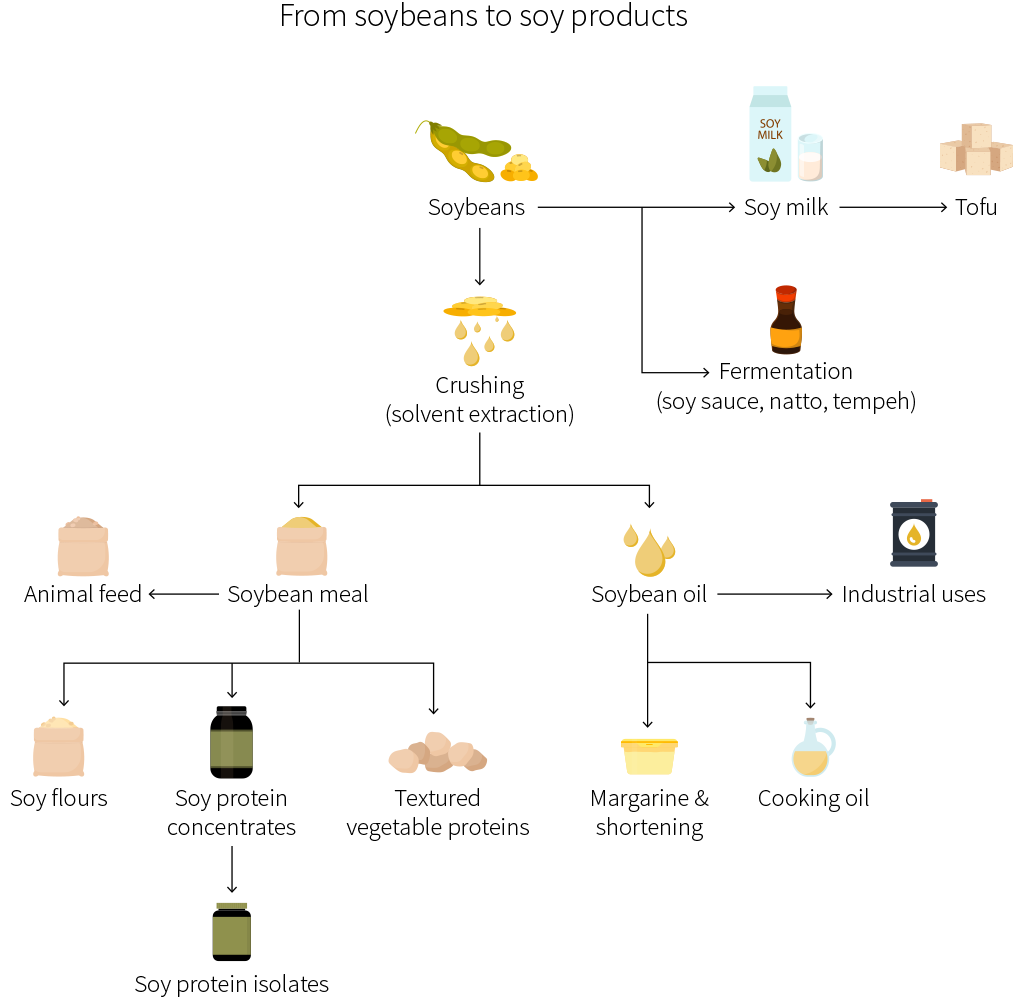
Soybeans have been part of the human diet for more than ten thousand years. Today, most soybeans have their fat and protein contents separated to be used as animal feed or as a food ingredient.
What’s in a soybean?
Soybeans are valued for their protein and fat contents, which are uniquely high among legumes. They also contain “anti-nutrients” (compounds that impair the digestion and absorption of protein and micronutrients) and bioactive compounds (notably isoflavones and phytosterols).

Soybeans’ protein and fat contents are uniquely high among legumes. Soybeans are also rich in isoflavones, phytosterols, and anti-nutrients.
Anti-nutrients
The high anti-nutrient content of soybeans is a concern, both to us and to livestock, because anti-nutrients such as tannins, phytates, and trypsin inhibitors interfere with the digestion and absorption of protein, vitamins, and minerals.[4] Thankfully, those anti-nutrients are vulnerable to the processing methods used in the production of soy foods.
Traditionally, soybeans are soaked in water for 12–14 hours before being either eaten or further processed. This soaking reduces tannin levels by half, but does not appear to affect phytates or trypsin inhibitors.[5] Today, soaking is still common practice, but baking soda is usually added to the water. This type of soaking has a much greater effect on anti-nutrients: over nine hours, it reduces the levels of tannins (-68%), trypsin inhibitor (-30%), and phytates (-21%), while also increasing the digestibility of soy protein (from ≈60% to ≈68%).[6]
One reason soaking is common practice is that it makes removing the fibrous husk easier when soybeans are industrially processed. After this dehulling, the soybeans are boiled. Together, soaking (in plain water) and boiling significantly reduce the levels of tannins (-100%) and trypsin inhibitors (-82%), without affecting the levels of phytates.[5] Essentially, after the dehulling and boiling processes, tannins are not present in any soy food.
At this point, the soybeans will be used to produce various soy foods, as well as soy flours and protein concentrates.
Fermenting soybeans with fungi and bacteria is part of the making of several soy foods. This process appears to reduce phytate levels by ≈30% but has no effect on trypsin inhibitors.[5]
Alternatively, unfermented soybeans may be used to create soy milk. Nowadays, soy milk is often boiled before being packaged for sale. Bring freshly made soy milk to a boil and you reduce trypsin-inhibitor levels by 43%. Keep boiling for 10 minutes and the reduction reaches 89%. Keep boiling for 10 minutes more and the reduction reaches 95%.
Soy milk (raw or boiled) may then be used to create tofu. Adding coagulants to raw soymilk and discarding the remaining liquid after tofu curds have formed reduces trypsin-inhibitor levels by 51%.[7]
Finally, if the boiled soybeans are used to make soy flours and protein powders, they will be ground and roasted. Roasting significantly reduces the levels of trypsin inhibitors (-98% of the raw-bean levels), phytates (-78%), and tannins (-75%).[8] Those reductions are corroborated by analyses of soy protein concentrates and isolates.[9]

Soybean processing methods, including boiling and roasting, greatly reduce the anti-nutrient content of soy foods.
Isoflavones
Known for their antioxidant properties, isoflavones are often called phytoestrogens due to their structural similarity to estradiol, the main estrogen in men and premenopausal women. Their estrogenic properties affect both men and women.
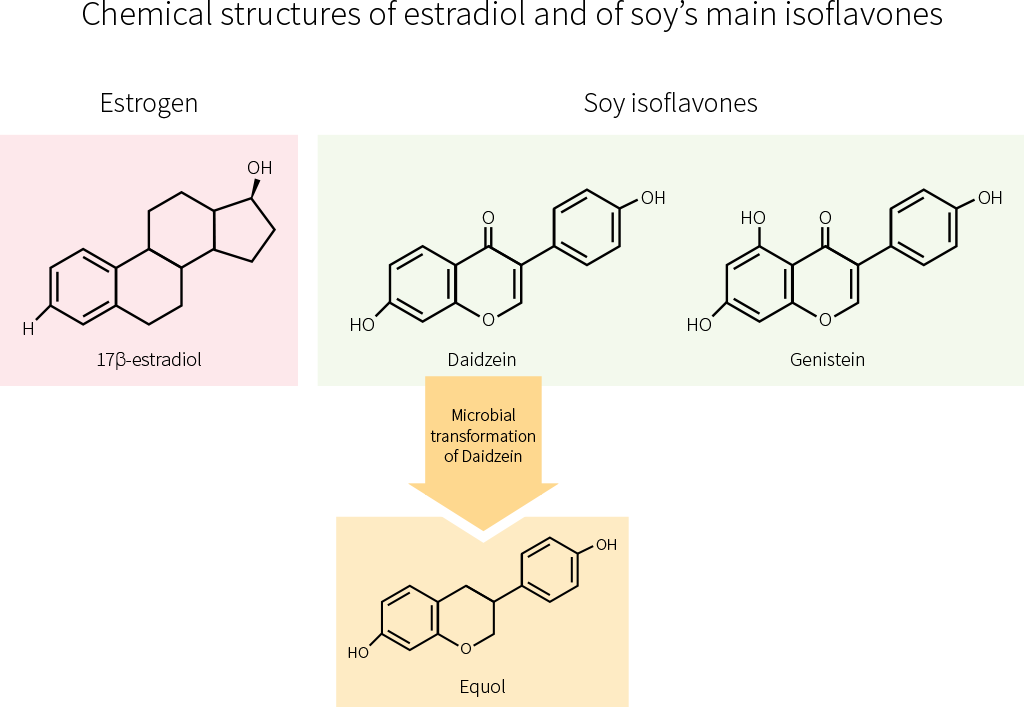
Isoflavones are thought to be responsible for some of soy’s health effects.[10] The two primary soy isoflavones are genistein and daidzein. However, we should also consider equol — a potent estrogenic compound metabolized from daidzein by your intestines’ bacterial flora.[11][12] Some evidence suggests that soy’s health effects depend on how much equol you produce, which depends on the composition of your bacterial flora.[13][14]
The average daily intake of isoflavones is 25–50 mg in Japan and China,[15] compared to less than 1 mg in Western countries.[16] One reason for this discrepancy is that Asian diets include more soy foods. Efforts have been made to create databases of the isoflavone content of commercial foods, one such database being the USDA Database for the Isoflavone Content of Selected Foods. A variety of common soy foods and their average, minimum, and maximum isoflavone contents are shown in the table below.
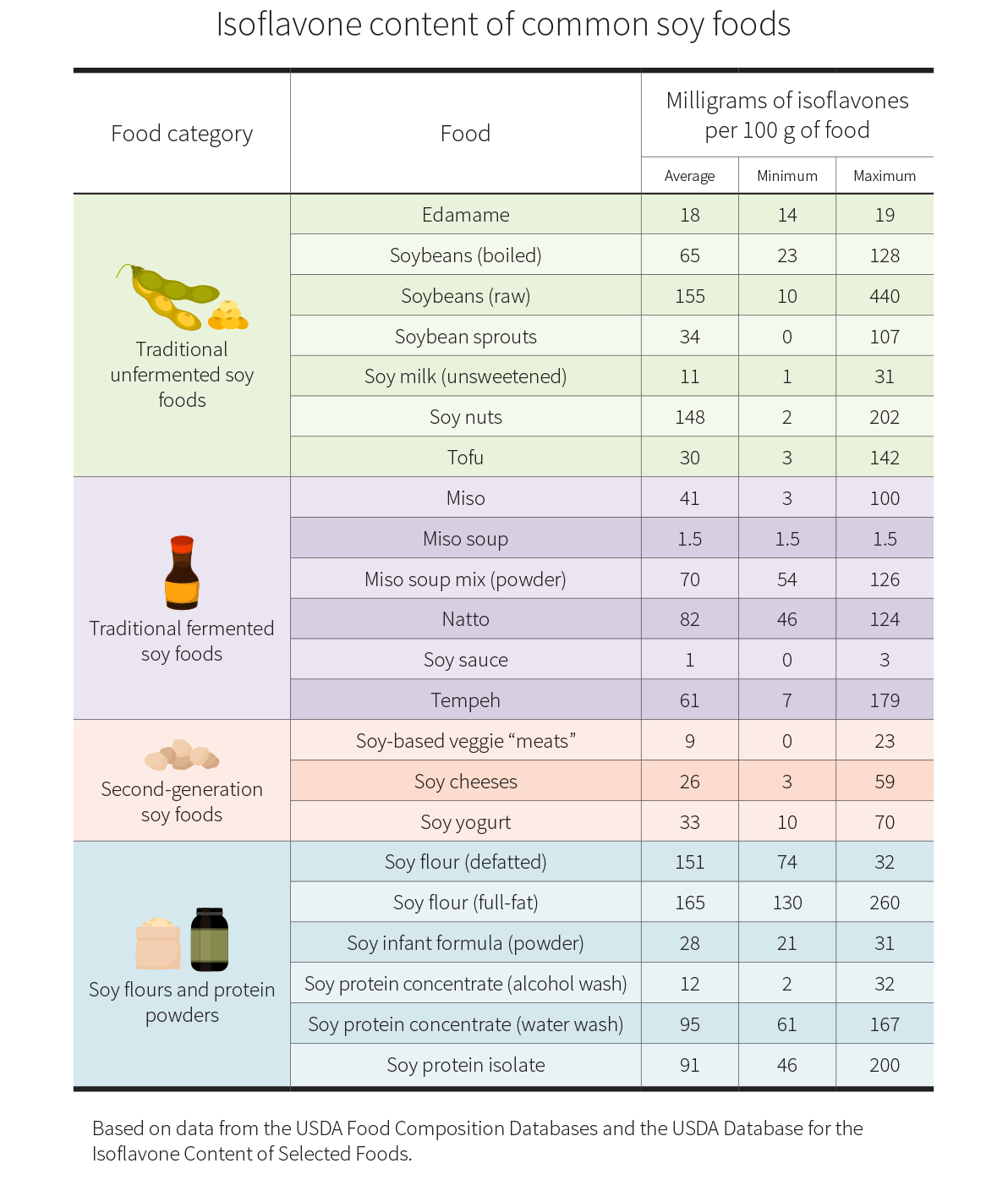
The isoflavone levels of each soy food vary greatly with the soybeans’ geographical origin, growing conditions, storage, and processing.[17] Therefore, isoflavone databases can only indicate which foods tend to have low, moderate, or high levels of isoflavones.
If you are buying a soy protein powder, chances are pretty high that it will contain an appreciable amount of isoflavones, unless you confirm it was made using an alcohol wash. Similarly, edamame has a pretty narrow range in the low end of isoflavone content. But with a range of 3–142 mg per 100 g of tofu, you will never really know what you are getting unless the product tells you.
Isoflavones are phytoestrogens — compounds with estrogenic effects in your body. Soy is rich in isoflavones, notably genistein and daidzein, which are believed to be responsible for some of soy’s health effects. Unfortunately, the isoflavone content of each type of soy food varies greatly, which makes it difficult to ascertain one’s intake level. Japanese adults consume an estimated 25–50 mg of isoflavones per day.
Soy products
There exist many types of soy foods. Some are produced through traditional methods; others undergo modern processing techniques in large soybean-processing plants.
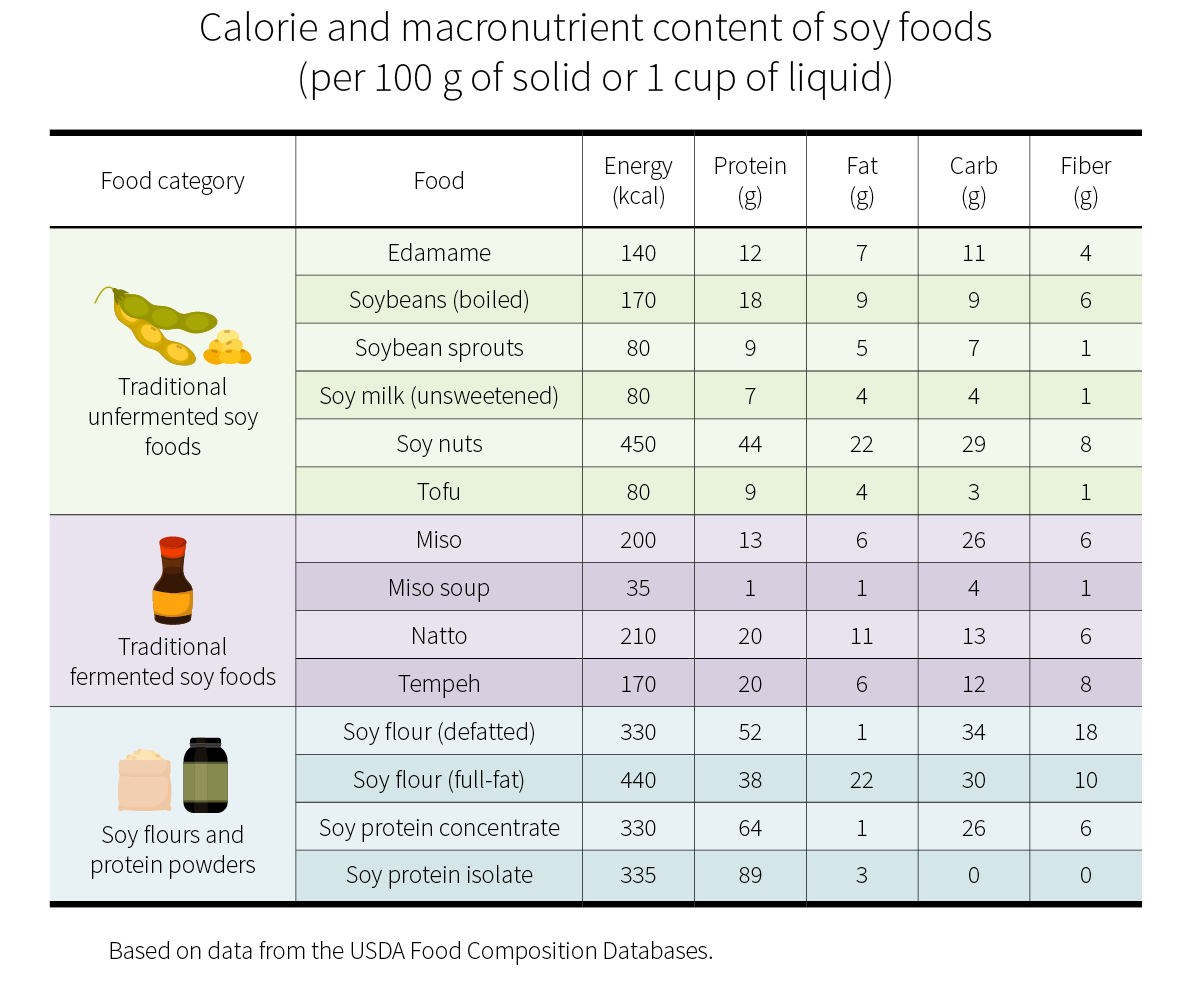
Traditional soy foods can be divided into two groups: fermented and unfermented. Fermented soy foods include miso, natto, tempeh, and soy sauce, whereas unfermented soy foods include soy milk, tofu, fresh green soybeans (edamame), and soy nuts and sprouts. Importantly, those soy foods have many variations, and fermented varieties of tofu and soy milk also exist.
Westerners have adopted some of those foods wholeheartedly, but have also developed a new class of “second generation” soy foods that includes tofu burgers and hotdogs, soy-milk yogurts and cheeses, and myriad other imitation animal products. Modern processing techniques have also allowed for the production of concentrated soy protein powders.
Traditional soy foods can be fermented (miso, natto, tempeh, and soy sauce) or unfermented (whole soybeans, soy nuts and sprouts, soy milk, and tofu). Modern soy foods include a variety of imitation meats and soy protein powders.
Soy milk
Soy milk is a water extract of whole soybeans; it is used as base for many soy foods, such as tofu, soy yogurts, and soy cheeses. Traditionally, soybeans are soaked overnight, ground into a slurry, boiled, and strained, leaving a gritty concoction with a strong beany flavor and chalky texture that many find unpalatable.[18]
Several modern processing techniques have been developed to remove the beany flavor and increase the protein content of soy milk. The same traditional preparation methods are used, but additional steps are added in, such as blanching the soybeans in a solution of sodium bicarbonate before grinding.
Soy milk is a water extract of whole soybeans; it is made by soaking and cooking soybeans, grinding them into a slurry, and straining the mixture.
Tofu
Tofu is created from soy milk. Its taste and texture are rather bland, which allows it to serve as foundation for many imitation meats and second-generation soy foods. Its production method is similar to that of common cheese; it involves coagulating soy milk with salts and acids, straining out the remaining liquid, and pressing the soy curds to form tofu.[18]
An alternative method is used to produce “silken tofu”, which is softer and more fragile than regular tofu. Whereas regular tofu is made by coagulating soy milk, draining away the liquid, and pressing the resulting curds into tofu, silken tofu is made by mixing soy milk with coagulants directly within retail containers and heating the sealed containers for about an hour. The result is a homogenous gel with no liquid separation. Importantly, this means that silken tofu contains substantially more anti-nutrients than regular tofu.[7]
Tofu is essentially the cheese of soy. Traditional tofu is made by coagulating soy milk with salts and acids, draining away the liquid, and pressing the soy curds into tofu.
Fermented soy
Fermented soy foods include tempeh, natto, miso, and soy sauce. All involve the same basic three-step process: boiling of soybeans, fermentation, and product refining.[18]
Tempeh and natto are the simplest soy foods to produce: the boiled soybeans are inoculated with the fungus Rhizopus oligosporus (for tempeh) or the bacterium Bacillus subtilis (for natto) and left to ferment for a couple of days.
Miso and soy sauce both involve inoculating boiled soybeans with the fungus Aspergillus oryzae for several days to produce koji, a fungal mass that is then mixed with brine and lactic-acid bacteria for further fermentation (lasting weeks to months). When the resulting paste is sufficiently ripe, it is blended, sometimes pasteurized, and packaged as miso. Alternatively, the paste is pressed to separate solids from liquids, and the liquids are filtered and pasteurized into soy sauce.
The most popular fermented soy foods are tempeh, natto, miso, and soy sauce, all of which are made using slightly different methods involving fermentation for days to months with fungi and/or bacteria.
Soy protein powders
Soy protein powders are, by far, the most heavily processed soy food on the market. Unlike traditional soy foods that go through relatively simple processing steps, soy protein powders require processing methods achievable only by modern technology.
To create soy protein powder, first the raw soybeans are turned into “white flakes” — low-fat (<1%), coarsely ground soybeans.[3] A key step in this process is the separation of soy oil from the soybeans: rapidly moving superheated hexane vapors are used as solvent then immediately dispersed by vacuum exposure to prevent the appearance of hexane in the white flakes.
The white flakes are then used to make soy flours (≥50% protein), protein concentrates (≥70% protein), and protein isolates (≥90% protein).
There are three major methods for creating a soy protein concentrate from white flakes: alcohol wash, acid wash, and water wash. Alcohol wash, the most common, dramatically lowers the amount of isoflavones in the soy protein concentrate, since isoflavones are soluble in alcohol.[9]
A soy protein isolate is produced by mixing white flakes with alcohol or alkalized water, applying a little heat, and centrifuging the slurry to concentrate the protein, which is then spray-dried into a powder. If alcohol is used for the wash, the isoflavone content will be reduced.
Soy protein powder concentrates (≥70% protein) and isolates (≥90% protein) are processed with either water (to retain their isoflavone content) or alcohol (to reduce their isoflavone content to very low levels).
Soy and your health
Scan the Internet and you’ll quickly learn that soy is the food of the gods. Or a tool of the devil. One or the other. In most cases, claims of soy’s insidious curse or infinite blessings are based on cherry-picked evidence, spiced with hyperbolic language. To help you make sense of it all, we’ll explore five of the most common health topics associated with soy in the popular media: thyroid activity, heart health, men’s health and testosterone, women’s health and breast cancer, and infant formulas.
Thyroid activity
Some animal studies support a hypothyroidic effect of soy.[19] This effect could be due to the presence in soy of phytoestrogens and goitrogens. Goitrogens are substances that interfere with iodine uptake in the thyroid gland, and test-tube studies have shown that soy isoflavones inhibit thyroid-peroxidase-catalyzed reactions essential to thyroid-hormone synthesis.[20]
And yet, a review of 14 studies in humans reported little to no effect of soy foods or isoflavone supplementation on thyroid-axis activity in adults with normal thyroid function and sufficient iodine intake. Still, the authors cautioned that people with compromised thyroid function or insufficient iodine intake may be at a greater risk of developing hypothyroidism if they consume soy foods.[21]
Since the publication of this review, two long-term randomized controlled trials (RCTs) have been published.
The first followed 138 osteopenic postmenopausal women for three years. It reported that daily supplementation with 54 mg of genistein had no significant effect on thyroid-antibody concentrations, thyroid-hormone concentrations, or thyroid-receptor activity.[22]
Similarly, the second RCT, which followed 403 menopausal women for two years, reported that 80 and 120 mg of soy isoflavones had no significant effect on TSH and free T4.[23] The effect on free T4 was nearly significant (-8%, from 1.2 to 1.1 ng/dL), but free T4 remained well within normal range. Other parameters of thyroid status, such as free T3, were not reported.
In conclusion, the human evidence suggests that soy does not have any pragmatically meaningful effects on thyroid health. However, it is important to note that neither the review[21] nor the two more recent RCTs[22][23] had thyroid activity as their primary outcome. No human study to date has directly investigated the effects of soy consumption on thyroid status, a fact that reduces the confidence we can place in our conclusion.
Also, a recent case study raised again the possibility that, in some people, soy can promote hypothyroidism.[24] A 72-year-old Japanese woman had severe hypothyroidism and a goiter after consuming, for six months, a supplement containing extracts of soybeans and kale (both of which contain goitrogens[25]). She discontinued the supplement, started taking thyroid medication, and several months later her goiter disappeared and her thyroid activity returned to normal. No information on the amount of goitrogens or soy isoflavones in the supplement was provided.
The human evidence suggests that soy does not have any pragmatically meaningful effects on thyroid health. One should note, however, that no human study to date has directly investigated the effects of soy consumption on thyroid status.
Heart health
To date, no long-term interventions have assessed the effects of soy-food consumption or soy-isoflavone supplementation on the likelihood of developing or dying from heart disease.
A meta-analysis of 17 observational studies suggests that eating more soy foods is associated with a significantly lower risk of cardiovascular disease (-17%), stroke (-18%), and coronary heart disease (-17%).[26]

In all cases, subgroup analyses showed significant effects in Asian countries but not in Western countries. This discrepancy could be owed to the simple fact that, overall, even the Westerners with the highest soy intake still consumed little soy compared to most Asians.
Additionally, although the meta-analysis found associations between heart health and soy intake, it found none between heart health and soy-protein intake or soy-isoflavone intake.
No long-term interventions have assessed the effects of soy consumption or isoflavone supplementation on heart-disease outcomes. A meta-analysis of observational studies suggests that soy consumption is associated with a reduced risk of heart disease.
Since no associations were found between heart health and soy-protein intake, you may find odd the FDA’s authorized health claim that consuming 25 g of soy protein per day, as part of a diet low in cholesterol and saturated fat, may reduce the risk of heart disease. But that’s not where the real problem lies. The real problem lies in the fact that such associations are very, very weak evidence to begin with.
And yet, that’s all we have. There’s no data regarding soy and heart health other than some observational associations investigating hard endpoints for heart disease, such as mortality and heart attacks, and that kind of evidence is too weak to serve as main backing for health claims. Yet the FDA approved the claim in 1999, when even less evidence existed than does today.
This health claim rests solely on evidence at the time that soy protein supplementation reduces serum levels of low-density lipoprotein cholesterol (LDL-C). In particular, a 1995 meta-analysis of 38 RCTs had reported that soy-protein supplementation significantly reduced total cholesterol (-23 mg/dL, or -9.3%), LDL-C (-21.7 mg/dL, or -12.9%), and triglycerides (-13.3 mg/dL, or -10.5%).[27]
The amount of soy protein used in the RCTs averaged 47 g/day (range: 17–124), and statistical analyses suggested that at least 25 g was necessary to observe a 9 mg/dL reduction in total cholesterol (which is where the “25 g” number in the authorized health claim came from). Interestingly, this meta-analysis also found that reductions in total cholesterol and LDL-C were significant only among individuals who had baseline total cholesterol levels above 250 mg/dL.
Ultimately, the FDA’s health claim was backed by the American Heart Association (AHA), which, in 2000, published a statement concluding that “it is prudent to recommend including soy protein foods in a diet low in saturated fat and cholesterol to promote heart health”.[28]
Since 1999, when the FDA supported the claim that soy protein benefits heart health, numerous studies have presented inconsistent findings on the relationship between soy protein and heart disease. Today, the FDA is reconsidering its authorized health claim. Again, its focus is on serum cholesterol.
For example, a meta-analysis published in 2017 reported that plant-protein supplementation significantly reduced LDL-C by 6.2 mg/dL, based on 108 RCTs lasting an average of six weeks (range: 3–208).[29] Analysis of only the 92 studies using soy-protein supplements showed a similar outcome. There were no meaningful differences in LDL-C reduction between soy-protein doses lower or higher than 25 g/day, or between people who had baseline LDL-C levels above or below 135 mg/dL.
Several other meta-analyses published in 2010,[30] 2008,[31] 2007,[32] 2006,[33] and 2005[34] have reported similarly modest, albeit statistically significant, reductions in LDL-C with soy protein supplementation.
The AHA has already rescinded its initial recommendation to eat soy foods to promote heart health. In 2006, it published a statement concluding that the magnitude of reduction in LDL-C was far lower than initially suggested and that “the direct cardiovascular health benefit of soy protein or isoflavone supplements is minimal at best”.[35] In 2008, the AHA sent a letter to the FDA requesting that they revoke the authorized heart-health claim for soy protein.
Soy protein supplementation appears to reliably reduce LDL-C, but only modestly. The AHA no longer endorses soy protein for heart health, and the FDA is considering revoking its health claim that soy protein may reduce the risk of heart disease.
Importantly, high LDL-C levels are not the only risk factor for heart disease. Several meta-analyses have reported significant benefits of soy-protein supplementation on blood pressure and endothelial function.
A meta-analysis of 11 double-blind RCTs reported that daily supplementation with 20–50 g of soy protein, providing 65–150 mg of soy isoflavones, significantly reduced systolic blood pressure (SBP) and diastolic blood pressure (DBP) by 2.5 and 1.5 mmHg respectively.[36] Those numbers are averages, however, and the blood-pressure benefits were in fact restricted to people with hypertension, whose SBP and DBP fell by an average of 6 and 3 mmHg respectively with soy protein supplementation; people with normal blood pressure experienced no significant changes.
A separate meta-analysis of 27 RCTs reported similar reductions in blood pressure from daily supplementation with 18–66 g of soy protein providing 23–160 mg of isoflavones.[37] According to this study, people with hypertension and people with normal blood pressure both benefited, although the reductions were greater in people with hypertension (SBP: -8.6 vs. -2.3 mmHg. DBP: -5.2 vs. -1.2 mmHg). A correlational analysis confirmed that the reduction’s magnitude was directly related to baseline blood-pressure levels.
Regarding endothelial function, one meta-analysis of 17 RCTs reported that daily supplementation with 25–40 g of soy protein providing 33–120 g of isoflavones significantly increased flow-mediated dilation (FMD) by 1.15%.[38] This change corresponds to a 23% increase relative to baseline levels. A systematic review of 5 intervention trials also suggests that supplementation with soy protein and isoflavones reduces arterial stiffness.[39]
Soy-protein supplementation modestly reduces blood pressure, with a stronger effect in people who have hypertension, and improves blood-vessel function.
Men’s health and testosterone
It is not uncommon to hear that, considering the estrogenic properties of soy isoflavones, men should shun soy foods. In theory, isoflavones can inhibit the activity of enzymes involved in testosterone production, and thereby lower testosterone levels while increasing estrogen levels.[40]

However, a meta-analysis of 15 RCTs reported that soy supplementation had no significant effect on total testosterone, free testosterone, or sex-hormone binding globulin (SHBG).[41] These studies used a variety of soy foods and protein powders that provided 10–70 g of soy protein and 60–240 mg of isoflavones per day.
An industry-funded study reported similar findings in young athletes. There were no significant differences in total or free testosterone, SHBG, estradiol, or estradiol-to-testosterone ratio between four groups of young men who, as they followed a 12-week resistance-training program, supplemented with 50 g of protein from whey protein concentrate (no isoflavones), soy protein concentrate (138 mg of isoflavones), soy protein isolate (49 mg of isoflavones), or a whey-soy protein blend (24 mg of isoflavones).[42]
Soy doesn’t appear to impact fertility, either. A randomized crossover trial in healthy young men compared the effects on semen parameters of supplementing with 30 g of protein from milk protein isolate (no isoflavones), low-isoflavone soy protein isolate (2 mg of isoflavones), and high-isoflavone soy protein isolate (60 mg of isoflavones).[43] The changes seen after 2 months were not significantly different between groups for any of the parameters measured (semen volume, sperm morphology, sperm concentration, sperm count, and amount of motile sperm). A separate study reported similar findings in young men supplementing with 40 mg of pure soy isoflavones per day for 2 months.[44]
NOTE: This isn’t to say that soy can’t have negative effects on testosterone and fertility when overconsumed. Two case reports have documented adverse effects with ≈360 mg of soy isoflavones per day for 6–12 months. Those effects included gynecomastia, erectile dysfunction, and reduced libido in a 60-year-old man drinking three quarts (2.8 liters) of soy milk per day,[45] and hypogonadism and erectile dysfunction in a 19-year-old vegan eating a soy-rich diet.[46]
Finally, soy may benefit men who are at risk of developing prostate cancer. A meta-analysis of 30 observational studies (a total of 266,000 men across North America, Europe, and Asia) reported a significant association between a lower risk of developing prostate cancer and a higher intake of all soy foods (29% lower risk) and non-fermented soy foods (35% lower risk).[47]
These findings are supported by a limited number of intervention studies. A meta-analysis of two 12-month RCTs in men at high risk of developing prostate cancer reported a significant reduction in risk (-51%) in the group given a soy supplement compared to the group given a placebo.[48] The more recent RCT used 60 mg of isolated soy isoflavones per day for one year,[49] whereas the older used 40 g of soy protein isolate (107 mg of isoflavones) or concentrate (6 mg of isoflavones) per day for six months (the results of both isoflavone dosages were combined in the analysis to increase statistical power, although both groups showed similarly low rates of cancer progression).[50]
However, men already diagnosed with prostate cancer may not benefit from consuming soy. Meta-analyses report no significant association between soy intake and risk of progression to advanced prostate cancer in observational studies,[47] and no significant effect of soy consumption on prostate-specific antigen (often elevated in men with prostate cancer) in RCTs of men with prostate cancer.[48]
Nonetheless, the risk reduction in men at high risk of developing prostate cancer is meaningful, considering that prostate cancer is the fourth most common cancer worldwide, the second most common cancer in men, and the fifth leading cause of death from cancer in men.[51]
Reasonable intakes of soy foods and soy isoflavones do not affect men’s testosterone levels, estrogen levels, or fertility, although case reports have documented adverse effects from incredibly high daily intakes of soy for 6–12 months. Men who are at risk of developing prostate cancer might reduce their risk by eating soy foods, but soy foods do not appear to benefit men who already have prostate cancer.
Women’s health and breast cancer
Soy isoflavones are phytoestrogens and so might especially benefit postmenopausal women, whose estrogen production is minimal.
Phytoestrogens are estrogen-receptor agonists; in other words, they can attach themselves to estrogen receptors and activate them. Their estrogenic activity, however, is weak: they cannot activate estrogen receptors as strongly as can real estrogens. And of course, a real estrogen cannot attach itself to an estrogen receptor already occupied by a phytoestrogen.
Therefore, in theory, phytoestrogens could have two opposite effects on endogenous estrogen production: they could increase it (if the body decides the estrogen receptors are too weakly activated) or decrease it (if the body decides that too many estrogen receptors are activated, however weakly).
As it stands, a meta-analysis of 35 RCTs in postmenopausal women found that soy-isoflavone supplementation had no significant effect on sex-hormone concentrations, although there was a near-significant 14% increase in total estradiol levels.[52] Subgroup analyses found estradiol to be significantly increased in studies using pure isoflavone supplements but not in studies using soy foods.
So, phytoestrogens have little effect on hormonal production. It does not follow they have no effect on cancer risk. Remember: phytoestrogens are estrogen-receptor agonists, so they can activate estrogen receptors directly. In such a way, they could either inhibit or promote cancer: they could inhibit cancer by blocking the more powerful true estrogens; they could promote cancer by binding up more receptors and delivering a signal, however weak.
Observational research has associated estradiol concentrations in postmenopausal women with a significant increase in the risk of breast cancer,[51][53] and, as we saw, a meta-analysis has associated soy-isoflavones with a 14% increase in estradiol levels in postmenopausal women. So you would expect soy isoflavones to be associated with a small increase in the risk of breast cancer.
But no. A meta-analysis of RCTs reported that isoflavone supplementation had no significant effect on breast density, a biomarker for breast-cancer risk,[54] and a meta-analysis of 31 studies looking at soy-food and isoflavone intakes reported a significant association with a lower risk of breast cancer (-25%), with a greater risk reduction in Asian countries than in Western countries (-41% vs. -8%).[55]
For postmenopausal women who have already been diagnosed with breast cancer, the effects of soy are likely dependent on the type of breast cancer, the source and amount of isoflavones, and the age at which soy consumption began.[56] In general, meta-analyses of observational research have linked soy isoflavones with a significantly lower risk of breast-cancer recurrence and mortality.[57][58]
Soy might also benefit postmenopausal women’s bone health. One meta-analysis of intervention studies lasting 3–12 months reported that, compared to placebo, soy-isoflavone supplementation significantly increased the bone mineral density (BMD) of the lumbar spine.[59] On the other hand, a separate meta-analysis of studies lasting 12–24 months reported no significant benefit for lumbar or hip BMD, although there was a trend for increased lumbar BMD with higher isoflavone doses (≥80 mg/day).[60] Any potential beneficial effect is small (2–3%) and likely owed to reduced bone resorption rather than to bone formation.[61]
Finally, soy-isoflavones may reduce menopausal symptoms. A meta-analysis of 15 RCTs found that soy-isoflavone supplementation had no effect on an aggregate menopausal score of 11 common symptoms, but that it did significantly reduce the frequency of hot flashes by about one per day.[62] The included studies lasted 3–12 months and used 25–100 mg of isoflavones per day.
The ability of soy-isoflavone supplements to improve hot flashes was confirmed by a separate meta-analysis of 17 RCTs looking specifically at this outcome.[63] Supplementing with an average of 54 mg of soy isoflavones per day for an average of 12 weeks significantly reduced the frequency of hot flashes by ≈20% and their severity by ≈26%.
Importantly, baseline hot-flash frequency did not impact efficacy: women experienced a similar reduction in hot-flash frequency, proportionally, whether they’d had 2 or 20 hot flashes daily at baseline. Also, frequency reductions were greater in studies lasting more than 12 weeks (-34%) than in shorter studies (-12%), indicating the effects were not transient.

Soy isoflavones might modestly increase serum estradiol concentrations in postmenopausal women. However, soy foods and isoflavones have been associated with a reduced risk of developing breast cancer, and even with a reduced risk of dying from a diagnosed breast cancer. In addition, soy-isoflavone supplementation appears to reduce the frequency and severity of hot flashes, and it might increase bone mineral density.
Unlike postmenopausal women, premenopausal women synthesize plenty of estrogen and are fertile. A meta-analysis of 11 RCTs involving premenopausal women reported that isoflavone-rich soy products didn’t affect total- or free-estrogen levels but did significantly reduce follicle-stimulating hormone (FSH) and luteinizing hormone (LH) by 22–24% compared to placebo. This hormonal reduction was associated with a significant increase in menstrual-cycle length of about one day on average.[52]
The implications of this minor effect on menstrual-cycle length are unknown. Soy has been associated with an increased likelihood of having a live birth during assisted reproduction,[64] but it has also been associated with a reduced likelihood of having ever been pregnant or given birth.[65]
Regarding breast cancer, the findings in premenopausal women are similar to those in postmenopausal women. Namely, a meta-analysis of observational data has reported a significant association between soy-food or isoflavone intake and a lower risk of developing breast cancer (-26%), with a greater risk reduction in Asian countries than in Western countries (-41% vs. -10%).[55] Soy has also been associated with significantly reduced mortality among women with breast cancer.[57]
In premenopausal women, soy isoflavones do not affect estrogen levels but do reduce follicle-stimulating hormone (FSH) and luteinizing hormone (LH). Menstrual-cycle length is also increased by ≈1 day, but the implications on fertility are unknown. Soy foods and isoflavones have been associated with a reduced risk of and mortality from breast cancer.
Infant formulas
It goes without saying that breast milk is the ideal food for infants. However, drinking breast milk isn’t always possible, and infant formulas are available for those situations. Soy formulas are infant formulas that mix soy protein isolate with other nutrients; they are mostly for infants who suffer from dairy allergy or lactose intolerance (intolerance to milk sugar).
Concerns arose over soy formulas because soy isoflavones are phytoestrogens. Not only do infants go through developmental stages sensitive to estrogens, but they are small and potentially reliant on soy formulas as their exclusive food source — their level of exposure to phytoestrogens is therefore much higher than that of toddlers or adults, whose food sources are more varied.[66]
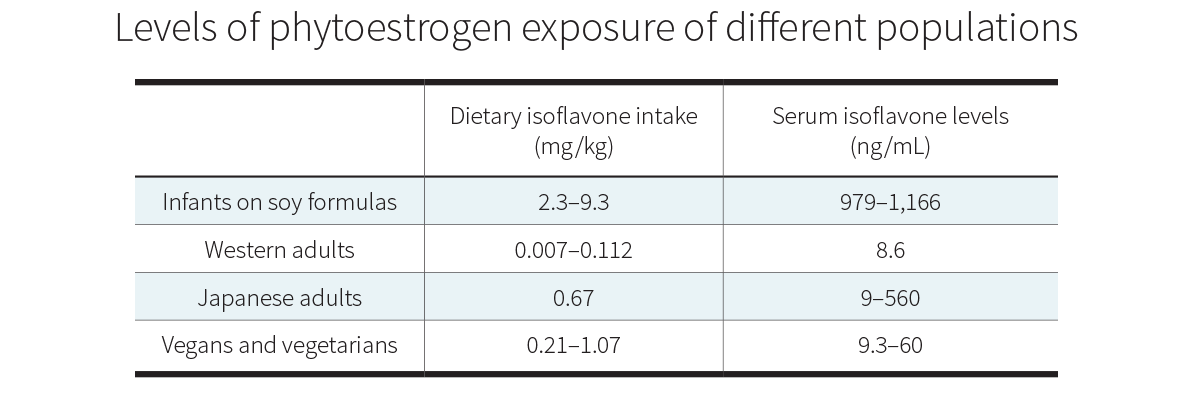
A 2011 report from the National Toxicology Program Center for the Evaluation of Risks to Human Reproduction (NTP CERHR) concludes there is “minimal concern for adverse effects on development in infants who consume soy infant formula”.[66] Studies in humans are scarce, however, and the report acknowledges that absence of evidence is not evidence of absence.
What human studies are available indicate that soy formulas do not impair the growth of healthy full-term infants, but may not support the growth of premature infants, in whom they may also cause rickets (a bone disease caused by a deficiency in vitamin D). Finally, limited evidence suggests that soy-formula consumption should not cause reproductive, thyroidic, or cognitive issues.
However, most data in the report stem from relevant animal models, many of which noted adverse effects from levels of soy exposure equivalent to those observed in human infants fed soy formulas. Adverse effects on the reproductive system were the primary reason why concern was elevated from “negligible” to “minimal”. The panel did not believe higher concern was appropriate, in part because of uncertainties intrinsic to interspecies comparisons.
Recently, one study followed 410 infants fed only breast milk, cow-milk formula, or soy formula from birth to nine months. Serum estrogen levels were similar between groups, yet the uterine development of the soy-fed infant girls was significantly altered in a way characteristic of high estrogen exposure.[67] The year before this study was published, another paper (an analysis of the Infant Feeding and Early Development study) had already reported that the vaginal cells of soy-fed infant girls bore marks of altered DNA methylation.[68]
The implications of those findings remain unknown, and we cannot say whether the observed differences are persistent or transient. Those studies were not intended to investigate health outcomes or clinical relevance. But they do serve as proof-of-principle for developmental effects of soy formulas.
Accordingly, some researchers have argued that a lack of human research means that caution is warranted[69] — in other word, that the use of soy formulas should be avoided or at least minimized. Several review articles published since the NTP CERHR report have supported this conservative position, especially as it relates to soy’s effects on sexual development.[70][71][72]
The exposure levels to phytoestrogens of infants fed soy formulas are significantly higher than those of adults and may affect sexual development, as suggested by animal studies. Human studies being scarce, several researchers have cautioned against the use of soy formulas. What limited human data are available suggest that soy formulas do not impair the growth of healthy, full-term infants, but can cause growth problems and rickets in premature infants.
Conclusion
Soy foods have been part of the traditional Asian diet for thousands of years. Today, soy foods and protein powders are commonplace in the diets of people from around the world.
Soy is rich in isoflavones, which are phytoestrogens (they have estrogen-like effects in your body). The isoflavone content of soy foods and soy protein powders varies widely, making it difficult to know how much you are consuming unless the manufacturer specifically tells you.
Due to its popularity and possible health effects (many of which are attributed to its isoflavone content), soy has been the subject of numerous studies, often financed by the soy industry. Financing by private interests does not automatically disqualify a study, but it should be kept in mind when reading the findings.
Soy does not appear to affect thyroid activity in humans.
Soy-protein supplementation benefits LDL-C levels, blood pressure, and endothelial function, but only slightly, so the benefit to your health is uncertain.
In men, regular intake of soy protein may reduce the risk of developing prostate cancer. Soy protein also has the potential to reduce testosterone levels and interfere with fertility, but only when consumed in excess — no such effects have been observed from the daily consumption of 10–70 grams of soy protein or 60–240 mg of isoflavones.
In women, soy-protein intake is associated with a reduced risk of breast-cancer incidence and mortality. In premenopausal women, soy protein appears to increase menstrual cycle length and has unknown effects on fertility. In postmenopausal women, soy protein appears to modestly increase estradiol concentrations and bone mineral density. Soy protein also appears to reduce menopausal symptoms.
Finally, soy infant formulas should be used with caution. Animal studies suggest that soy formulas interfere with sexual development. Actual human studies are scarce, but associations between soy formulas and altered sexual development have been observed in infant girls. Additionally, while soy formulas do not impair the growth of healthy, full-term infants, they can cause growth problems and rickets in premature infants.
References
- ^ Lee GA, et al. Archaeological soybean (Glycine max) in East Asia: does size matter?. PLoS One. (2011)
- ^ Barnes S. The biochemistry, chemistry and physiology of the isoflavones in soybeans and their food products. Lymphat Res Biol. (2010)
- ^ a b Lusas EW, Riaz MN. Soy protein products: processing and use. J Nutr. (1995)
- ^ Liener IE. Implications of antinutritional components in soybean foods. Crit Rev Food Sci Nutr. (1994)
- ^ a b c Egounlety M, Aworh OC. Effect of soaking, dehulling, cooking and fermentation with Rhizopus oligosporus on the oligosaccharides, trypsin inhibitor, phytic acid and tannins of soybean (Glycine max Merr.), cowpea (Vigna unguiculata L. Walp) and groundbean (Macrotyloma geocarpa Harms). Journal of Food Engineering. (2003)
- ^ el-Adawy TA, et al. Effect of soaking process on nutritional quality and protein solubility of some legume seeds. Nahrung. (2000)
- ^ a b Miyagi Y, et al. Trypsin inhibitor activity in commercial soybean products in Japan. J Nutr Sci Vitaminol (Tokyo). (1997)
- ^ Adeyemo SM, Onilude AA. Enzymatic Reduction of Anti-nutritional Factors in Fermenting Soybeans by Lactobacillus plantarum Isolates from Fermenting Cereals. Nigerian Food Journal. (2013)
- ^ a b Anderson RL, Wolf WJ. Compositional changes in trypsin inhibitors, phytic acid, saponins and isoflavones related to soybean processing. J Nutr. (1995)
- ^ Zaheer K, Humayoun Akhtar M. An updated review of dietary isoflavones: Nutrition, processing, bioavailability and impacts on human health. Crit Rev Food Sci Nutr. (2017)
- ^ Lu Z, et al. S-equol, a Secondary Metabolite of Natural Anticancer Isoflavone Daidzein, Inhibits Prostate Cancer Growth In Vitro and In Vivo, Though Activating the Akt/FOXO3a Pathway. Curr Cancer Drug Targets. (2016)
- ^ Setchell KD, Brown NM, Lydeking-Olsen E. The clinical importance of the metabolite equol-a clue to the effectiveness of soy and its isoflavones. J Nutr. (2002)
- ^ Shor D, et al. Does equol production determine soy endocrine effects?. Eur J Nutr. (2012)
- ^ Birru RL, et al. The impact of equol-producing status in modifying the effect of soya isoflavones on risk factors for CHD: a systematic review of randomised controlled trials. J Nutr Sci. (2016)
- ^ Messina M, Nagata C, Wu AH. Estimated Asian adult soy protein and isoflavone intakes. Nutr Cancer. (2006)
- ^ Zamora-Ros R, et al. Dietary intakes and food sources of phytoestrogens in the European Prospective Investigation into Cancer and Nutrition (EPIC) 24-hour dietary recall cohort. Eur J Clin Nutr. (2012)
- ^ Setchell KD, Cole SJ. Variations in isoflavone levels in soy foods and soy protein isolates and issues related to isoflavone databases and food labeling. J Agric Food Chem. (2003)
- ^ a b c Golbitz P. Traditional soyfoods: processing and products. J Nutr. (1995)
- ^ Doerge DR, Chang HC. Inactivation of thyroid peroxidase by soy isoflavones, in vitro and in vivo. J Chromatogr B Analyt Technol Biomed Life Sci. (2002)
- ^ Divi RL, Chang HC, Doerge DR. Anti-thyroid isoflavones from soybean: isolation, characterization, and mechanisms of action. Biochem Pharmacol. (1997)
- ^ a b Messina M, Redmond G. Effects of soy protein and soybean isoflavones on thyroid function in healthy adults and hypothyroid patients: a review of the relevant literature. Thyroid. (2006)
- ^ a b Bitto A, et al. Genistein aglycone does not affect thyroid function: results from a three-year, randomized, double-blind, placebo-controlled trial. J Clin Endocrinol Metab. (2010)
- ^ a b Steinberg FM, et al. Clinical outcomes of a 2-y soy isoflavone supplementation in menopausal women. Am J Clin Nutr. (2011)
- ^ Nakamura Y, et al. Soy isoflavones inducing overt hypothyroidism in a patient with chronic lymphocytic thyroiditis: a case report. J Med Case Rep. (2017)
- ^ Bajaj JK, Salwan P, Salwan S. Various Possible Toxicants Involved in Thyroid Dysfunction: A Review. J Clin Diagn Res. (2016)
- ^ Yan Z, et al. Association between consumption of soy and risk of cardiovascular disease: A meta-analysis of observational studies. Eur J Prev Cardiol. (2017)
- ^ Anderson JW, Johnstone BM, Cook-Newell ME. Meta-analysis of the effects of soy protein intake on serum lipids. N Engl J Med. (1995)
- ^ Erdman JW Jr. AHA Science Advisory: Soy protein and cardiovascular disease: A statement for healthcare professionals from the Nutrition Committee of the AHA. Circulation. (2000)
- ^ Li SS, et al. Effect of Plant Protein on Blood Lipids: A Systematic Review and Meta-Analysis of Randomized Controlled Trials. J Am Heart Assoc. (2017)
- ^ Jenkins DJ, et al. Soy protein reduces serum cholesterol by both intrinsic and food displacement mechanisms. J Nutr. (2010)
- ^ Harland JI, Haffner TA. Systematic review, meta-analysis and regression of randomised controlled trials reporting an association between an intake of circa 25 g soya protein per day and blood cholesterol. Atherosclerosis. (2008)
- ^ Taku K, et al. Soy isoflavones lower serum total and LDL cholesterol in humans: a meta-analysis of 11 randomized controlled trials. Am J Clin Nutr. (2007)
- ^ Reynolds K, et al. A meta-analysis of the effect of soy protein supplementation on serum lipids. Am J Cardiol. (2006)
- ^ Zhan S, Ho SC. Meta-analysis of the effects of soy protein containing isoflavones on the lipid profile. Am J Clin Nutr. (2005)
- ^ Sacks FM, et al. Soy protein, isoflavones, and cardiovascular health: an American Heart Association Science Advisory for professionals from the Nutrition Committee. Circulation. (2006)
- ^ Liu XX, et al. Effect of soy isoflavones on blood pressure: a meta-analysis of randomized controlled trials. Nutr Metab Cardiovasc Dis. (2012)
- ^ Dong JY, et al. Effect of soya protein on blood pressure: a meta-analysis of randomised controlled trials. Br J Nutr. (2011)
- ^ Beavers DP, et al. Exposure to isoflavone-containing soy products and endothelial function: a Bayesian meta-analysis of randomized controlled trials. Nutr Metab Cardiovasc Dis. (2012)
- ^ Pase MP, Grima NA, Sarris J. The effects of dietary and nutrient interventions on arterial stiffness: a systematic review. Am J Clin Nutr. (2011)
- ^ Bae M, et al. Inhibitory effects of isoflavonoids on rat prostate testosterone 5α-reductase. J Acupunct Meridian Stud. (2012)
- ^ Hamilton-Reeves JM, et al. Clinical studies show no effects of soy protein or isoflavones on reproductive hormones in men: results of a meta-analysis. Fertil Steril. (2010)
- ^ Kalman D, et al. Effect of protein source and resistance training on body composition and sex hormones. J Int Soc Sports Nutr. (2007)
- ^ Beaton LK, et al. Soy protein isolates of varying isoflavone content do not adversely affect semen quality in healthy young men. Fertil Steril. (2010)
- ^ Mitchell JH, et al. Effect of a phytoestrogen food supplement on reproductive health in normal males. Clin Sci (Lond). (2001)
- ^ Martinez J, Lewi JE. An unusual case of gynecomastia associated with soy product consumption. Endocr Pract. (2008)
- ^ Siepmann T, et al. Hypogonadism and erectile dysfunction associated with soy product consumption. Nutrition. (2011)
- ^ a b Applegate CC, et al. Soy Consumption and the Risk of Prostate Cancer: An Updated Systematic Review and Meta-Analysis. Nutrients. (2018)
- ^ a b van Die MD, et al. Soy and soy isoflavones in prostate cancer: a systematic review and meta-analysis of randomized controlled trials. BJU Int. (2014)
- ^ Miyanaga N, et al. Prostate cancer chemoprevention study: an investigative randomized control study using purified isoflavones in men with rising prostate-specific antigen. Cancer Sci. (2012)
- ^ Hamilton-Reeves JM, et al. Effects of soy protein isolate consumption on prostate cancer biomarkers in men with HGPIN, ASAP, and low-grade prostate cancer. Nutr Cancer. (2008)
- ^ a b Ferlay J, et al. Cancer incidence and mortality worldwide: sources, methods and major patterns in GLOBOCAN 2012. Int J Cancer. (2015)
- ^ a b Hooper L, et al. Effects of soy protein and isoflavones on circulating hormone concentrations in pre- and post-menopausal women: a systematic review and meta-analysis. Hum Reprod Update. (2009)
- ^ Key T, et al. Endogenous sex hormones and breast cancer in postmenopausal women: reanalysis of nine prospective studies. J Natl Cancer Inst. (2002)
- ^ Hooper L, et al. Effects of isoflavones on breast density in pre- and post-menopausal women: a systematic review and meta-analysis of randomized controlled trials. Hum Reprod Update. (2010)
- ^ a b Chen M, et al. Association between soy isoflavone intake and breast cancer risk for pre- and post-menopausal women: a meta-analysis of epidemiological studies. PLoS One. (2014)
- ^ Ziaei S, Halaby R. Dietary Isoflavones and Breast Cancer Risk. Medicines (Basel). (2017)
- ^ a b Chi F, et al. Post-diagnosis soy food intake and breast cancer survival: a meta-analysis of cohort studies. Asian Pac J Cancer Prev. (2013)
- ^ Nechuta SJ, et al. Soy food intake after diagnosis of breast cancer and survival: an in-depth analysis of combined evidence from cohort studies of US and Chinese women. Am J Clin Nutr. (2012)
- ^ Taku K, et al. Effect of soy isoflavone extract supplements on bone mineral density in menopausal women: meta-analysis of randomized controlled trials. Asia Pac J Clin Nutr. (2010)
- ^ Liu J, et al. Effect of long-term intervention of soy isoflavones on bone mineral density in women: a meta-analysis of randomized controlled trials. Bone. (2009)
- ^ Taku K, et al. Effects of soy isoflavone supplements on bone turnover markers in menopausal women: systematic review and meta-analysis of randomized controlled trials. Bone. (2010)
- ^ Chen MN, Lin CC, Liu CF. Efficacy of phytoestrogens for menopausal symptoms: a meta-analysis and systematic review. Climacteric. (2015)
- ^ Taku K, et al. Extracted or synthesized soybean isoflavones reduce menopausal hot flash frequency and severity: systematic review and meta-analysis of randomized controlled trials. Menopause. (2012)
- ^ Vanegas JC, et al. Soy food intake and treatment outcomes of women undergoing assisted reproductive technology. Fertil Steril. (2015)
- ^ Jacobsen BK, et al. Soy isoflavone intake and the likelihood of ever becoming a mother: the Adventist Health Study-2. Int J Womens Health. (2014)
- ^ a b McCarver G, et al. NTP-CERHR expert panel report on the developmental toxicity of soy infant formula. Birth Defects Res B Dev Reprod Toxicol. (2011)
- ^ Adgent MA, et al. A Longitudinal Study of Estrogen-Responsive Tissues and Hormone Concentrations in Infants Fed Soy Formula. J Clin Endocrinol Metab. (2018)
- ^ Harlid S, et al. Soy Formula and Epigenetic Modifications: Analysis of Vaginal Epithelial Cells from Infant Girls in the IFED Study. Environ Health Perspect. (2017)
- ^ Tuohy PG. Soy infant formula and phytoestrogens. J Paediatr Child Health. (2003)
- ^ Jefferson WN, Williams CJ. Circulating levels of genistein in the neonate, apart from dose and route, predict future adverse female reproductive outcomes. Reprod Toxicol. (2011)
- ^ Kim SH, Park MJ. Effects of phytoestrogen on sexual development. Korean J Pediatr. (2012)
- ^ Jefferson WN, Patisaul HB, Williams CJ. Reproductive consequences of developmental phytoestrogen exposure. Reproduction. (2012)